


The After-acquired Title Doctrine is a legal principle providing that if a grantor purports to convey a property they do not yet own, but they subsequently acquire the legal title to that property, the title automatically passes to the grantee.
In essence, the law “perfects” the previous transfer the moment the grantor gains ownership, preventing the grantor from claiming the transfer was void simply because they didn’t own the land at the time of the signing.
Definition and Legal Effect Under California Law
Under California law, this doctrine is rooted in the concept of estoppel by deed. It ensures that a person cannot benefit from their own lack of title if they represented to a buyer that they had the right to sell the property.
As soon as the grantor receives the deed to the property:
- The title “vests” in the grantee by operation of law.
- No new deed or secondary conveyance is required to finalize the transfer.
- The doctrine protects the expectations of the buyer (grantee) who acted in good faith.
The Role of Grant Deeds vs. Quitclaim Deeds
The application of this doctrine depends heavily on the type of deed used in the original transaction.
- Grant Deeds: In California, a Grant Deed carries an implied covenant that the grantor is conveying fee simple title and that the grantor has valid title. Therefore, the After-acquired Title Doctrine applies to Grant Deeds by default under Civil Code § 1106.
- Quitclaim Deeds: A Quitclaim Deed only transfers whatever interest the grantor currently has, “if any.” It does not contain warranties of title. Consequently, the After-acquired Title Doctrine may be increasingly important for a quitclaim deed where the grantor has to yet to acquire valid title.
Common Legal Issues and Title Disputes
The doctrine is frequently a central point of litigation in probate disputes, fraudulent transfers, and complex real estate developments.
- Intervening Liens: Disputes often arise regarding whether a judgment lien against the grantor attaches to the property in the brief moment between the grantor acquiring it and the doctrine passing it to the grantee.
- Wild Deeds: If a grantee records their deed before the grantor actually owns the land, it creates a “wild deed” that may not be found in a standard title search, leading to priority battles.
- Estoppel: The doctrine prevents a grantor from “denying the truth” of their original deed once they actually obtain the title.
California Statutes Governing After-acquired Title
The doctrine is not just a common law principle; it is codified in the California Civil Code to provide certainty in real estate transactions.
- California Civil Code § 1106: “Where a person purports by proper instrument to grant real property in fee simple, and subsequently acquires any title, or claim of title thereto, the same passes by operation of law to the grantee, or his successors.”
- California Civil Code § 2930: Extends this principle to mortgages and deeds of trust, stating that title subsequently acquired by a mortgagor inures to the mortgagee as security for the debt
Related Real Estate Litigation and Title Terms
Abstracts of judgment intersect with broader real estate litigation and creditor enforcement concepts, particularly in disputes involving title, priority, and property rights.
| Estoppel by Deed | Grant Deed | Quitclaim Deed |
| Chain of Title | Fee Simple | Warranty of Title |
Need Legal Help Related to Your Real Estate Matter?
If you are facing a property lien or need to enforce a judgment, contact our experienced real estate attorneys today to schedule a consultation.


PRESS
Recent Blogs
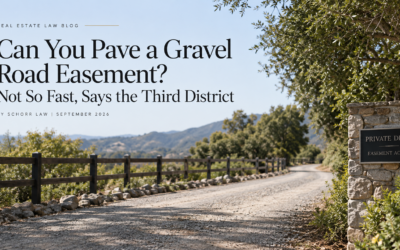
Can You Pave a Gravel Road Easement in California?
Paving a Gravel Driveway If you hold an easement...

What Montecito Country Club v. Root Means for California Property Owners
Montecito County Club v. Root Your Hedge, Your...

Can You File a Partition Action Against an LLC That Owns Real Estate?
Can an LLC member force the sale of company-owned real estate? Learn why LLC ownership is different from direct property ownership and what legal remedies may be available.
California Real Estate Litigation Representation