

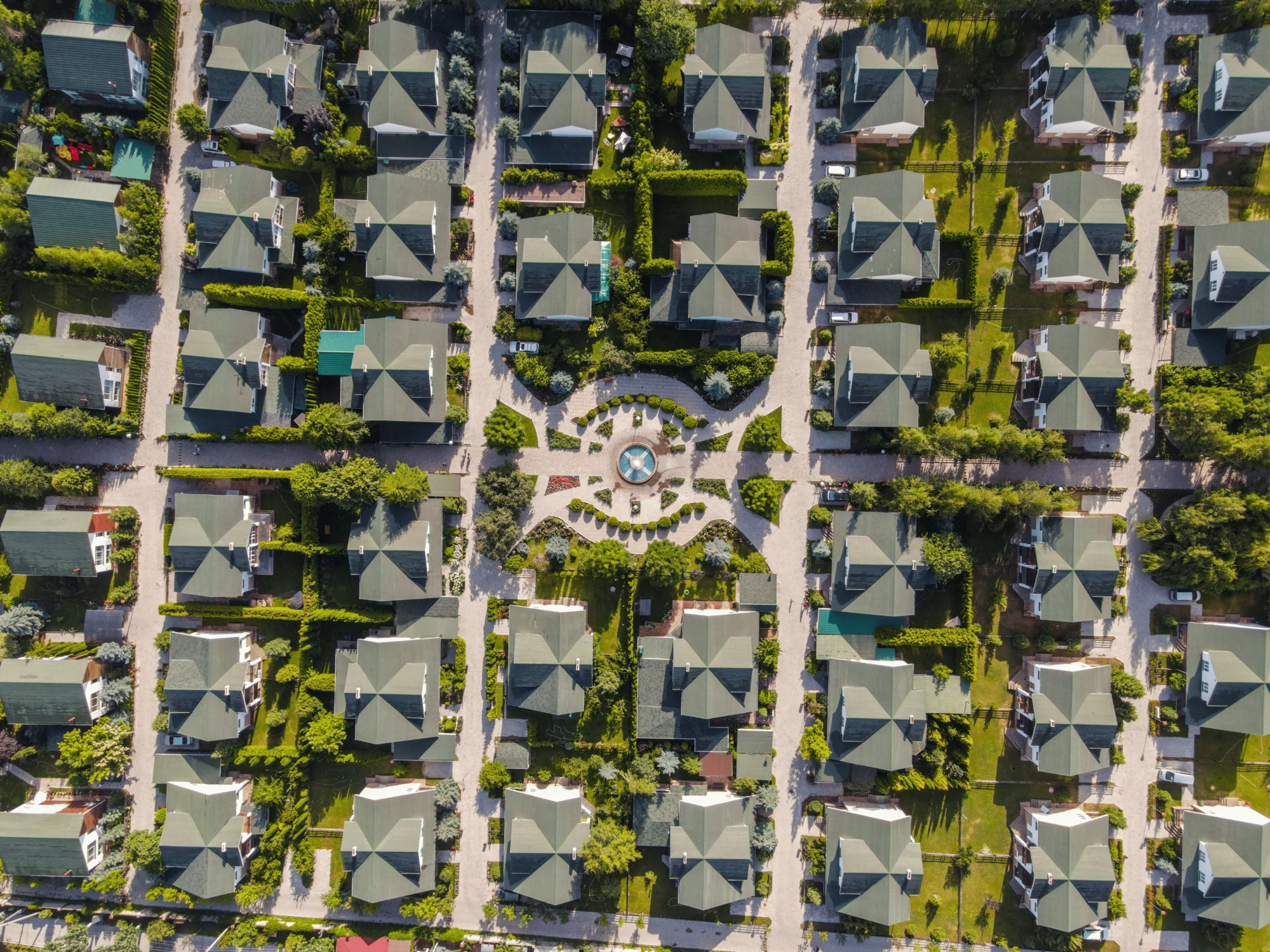
Common Use Ownership refers to a form of property ownership in which multiple parties share the use and ownership rights of a property or portions of a property. Instead of one owner having exclusive control, multiple owners collectively use, maintain, and benefit from shared areas. This is common with HOA communities.
This concept commonly applies to shared spaces in residential developments such as condominium complexes, cooperative housing, and properties subject to easements or co-ownership arrangements.
Common Use Ownership in Real Estate
Common use ownership most frequently arises in developments where individual ownership is combined with shared rights in common areas.
Examples include:
- Condominium Developments – Unit owners hold title to their individual units while sharing ownership or usage rights in common areas such as hallways, pools, parking structures, and landscaping.
- Cooperative Housing (Co-ops) – Residents may own shares in a corporation that owns the property, giving them rights to occupy and use units and shared spaces.
- Homeowners Associations (HOAs) – Owners in planned communities share rights to common areas such as parks, private roads, and recreational facilities.
- Easements – Multiple property owners may have shared rights to use a portion of land, such as a driveway or access road. This is common in rural areas where there may be long driveways
Common Use Ownership vs. Co-Tenancy
Although related, common use ownership and co-tenancy are not identical.
Common Use Ownership
- Typically involves shared use of specific portions of property
- Often governed by HOA rules, CC&Rs, or agreements
- Common in planned developments
Co-Tenancy
- Multiple parties hold undivided ownership interests in the entire property
- Each co-owner has equal rights to possess the whole property
In some cases, common use arrangements may resemble co-tenancy depending on how ownership rights are structured.
Rights and Responsibilities of Owners
Owners in common use arrangements typically have both rights and obligations.
1. Rights
- Use and enjoy shared spaces
- Access common facilities
- Participate in community decisions
2. Responsibilities
- Contribute to maintenance costs
- Follow community rules and restrictions
- Share responsibility for upkeep of common areas
These rights and obligations are often defined in governing documents such as CC&Rs, bylaws, or recorded easements.
Common Legal Issues Involving Shared Ownership
Disputes can arise when multiple parties share ownership or use of property.
Common issues include:
- Maintenance Disputes – Disagreements over responsibility for repairs and upkeep.
- Use Restrictions – Conflicts over how shared areas may be used.
- Cost Allocation – Disputes regarding assessments or shared expenses.
- Access Rights – Conflicts over easement use or interference with shared access.
Because multiple parties are involved, these disputes often require interpretation of governing agreements.
California Laws Affecting Common Use Ownership
Common use ownership arrangements may be governed by various California laws depending on the structure.
Relevant frameworks include:
- Davis-Stirling Common Interest Development Act governing HOAs
- California Civil Code provisions related to co-ownership
- Easement laws governing shared use rights
These laws help define ownership rights, responsibilities, and dispute resolution processes
Related Real Estate and Ownership Terms
| Common Interest Development | Homeowners Association (HOA) |
| Covenants, Conditions, and Restrictions (CC&Rs) | Easement |
| Co-Tenancy | Condominium Ownership |
| Shared Property | Property Rights |
Need Legal Help Related to Your Real Estate Matter?
If you are facing a property lien or need to enforce a judgment, contact our experienced real estate attorneys today to schedule a consultation.


PRESS
Recent Blogs
Can You Pave a Gravel Road Easement in California?
Paving a Gravel Driveway If you hold an easement...

What Montecito Country Club v. Root Means for California Property Owners
Montecito County Club v. Root Your Hedge, Your...
Can You File a Partition Action Against an LLC That Owns Real Estate?
Can an LLC member force the sale of company-owned real estate? Learn why LLC ownership is different from direct property ownership and what legal remedies may be available.
California Real Estate Litigation Representation