

Updated on October 23, 2026
Court Puts an End to Baseless Claims Against Fraud Victim’s Estate, Demurrer Sustained Without Leave to Amend
In a decisive ruling, the Orange County Superior Court permanently dismissed all remaining claims against our client, closing the door on three years of litigation that never should have started.
Schorr Law is pleased to announce a complete victory on behalf of our client, the administrator of a deceased fraud victim’s estate, following yesterday’s ruling by the Honorable Richard J. Oberholzer in the Orange County Superior Court, Department C15. The court sustained our demurrer to the Second Amended Cross-Complaint without leave to amend, permanently ending a claim for equitable relief, unjust enrichment, that our client should never have been forced to defend in the first place.
A Fraud Victim Dragged Through Years of Litigation
Our client owned property in Southern California. In 2021, a third party forged his signature on a deed and fraudulently transferred the property to another party, who then sold it to a subsequent buyer. Our client discovered the theft, filed suit, and, after years of costly litigation, settled with the buyer, who quitclaimed the property back, including all “improvements” that had been made to it during the period of wrongful possession.
Unfortunately, Schorr Law’s original client passed away. Nevertheless, the litigation would not end. The party that had been involved in the fraudulent transaction chain, and who faced a breach of contract claim from the buyer, turned around and cross-complained against our client, arguing it was “unjust” for the estate to retain the benefit of improvements to the property without paying for them.
THE LEGAL STRATEGY
Why the Unjust Enrichment Claim Failed as a Matter of Law
This was the third iteration of the cross-complaint against our client. Schorr Law had previously defeated the original cross-complaint and the first amended cross-complaint, the latter of which the court also sustained with leave to amend. This time, the court agreed with our position that no amendment could save the claim.
Schorr Law’s real estate litigation strategy centered on a straightforward but powerful legal principle established by the California Court of Appeal in City of Oakland v. Oakland Raiders (2022): when a plaintiff seeking unjust enrichment did not personally confer the benefit at issue, the plaintiff must demonstrate a recognized legal or equitable right in the disputed asset that is accorded priority over the defendant’s interest. That bar is highly restrictive, and the cross-complainant could not clear it.
The cross-complainant had not made a single improvement to the property. The fraudulent sale buyer had made, not the cross-complainant. The cross-complainant had no contractual relationship with our client. It was not a good-faith improver under California law because the forged deed was void. And, the crss-complainant =had no equitable interest of any kind in the improvements. And critically, the buyer had already agreed, as part of its settlement with our client’s brother, to transfer the property and all improvements, releasing any claim to them. The only party with a cognizable interest in those improvements was our client, not the cross-complainant.
We also addressed the cross-complainant’s indemnity theory, arguing it was simply breach-of-contract liability dressed up as something broader, with no shared joint obligation between our client and the cross-complainant to support any indemnity claim, express, equitable, or implied contractual.
THE RULING
Sustained Without Leave to Amend
On April 20, 2026, after hearing oral argument, the court sustained our demurrer without leave to amend. The court found that the allegations in the Second Amended Cross-Complaint were essentially identical to those in the first amended version, and that the cross-complainant had not alleged facts showing it held any legal or equitable interest in the disputed improvements, let alone one superior to our client’s.
The court distinguished the cases the cross-complainant cited in opposition, noting that in those cases, unlike here,the parties seeking unjust enrichment had a clear legal or equitable interest in the disputed assets. The cross-complainant had none. The defect could not be cured.
The matter against our client is now fully resolved.
About the Author
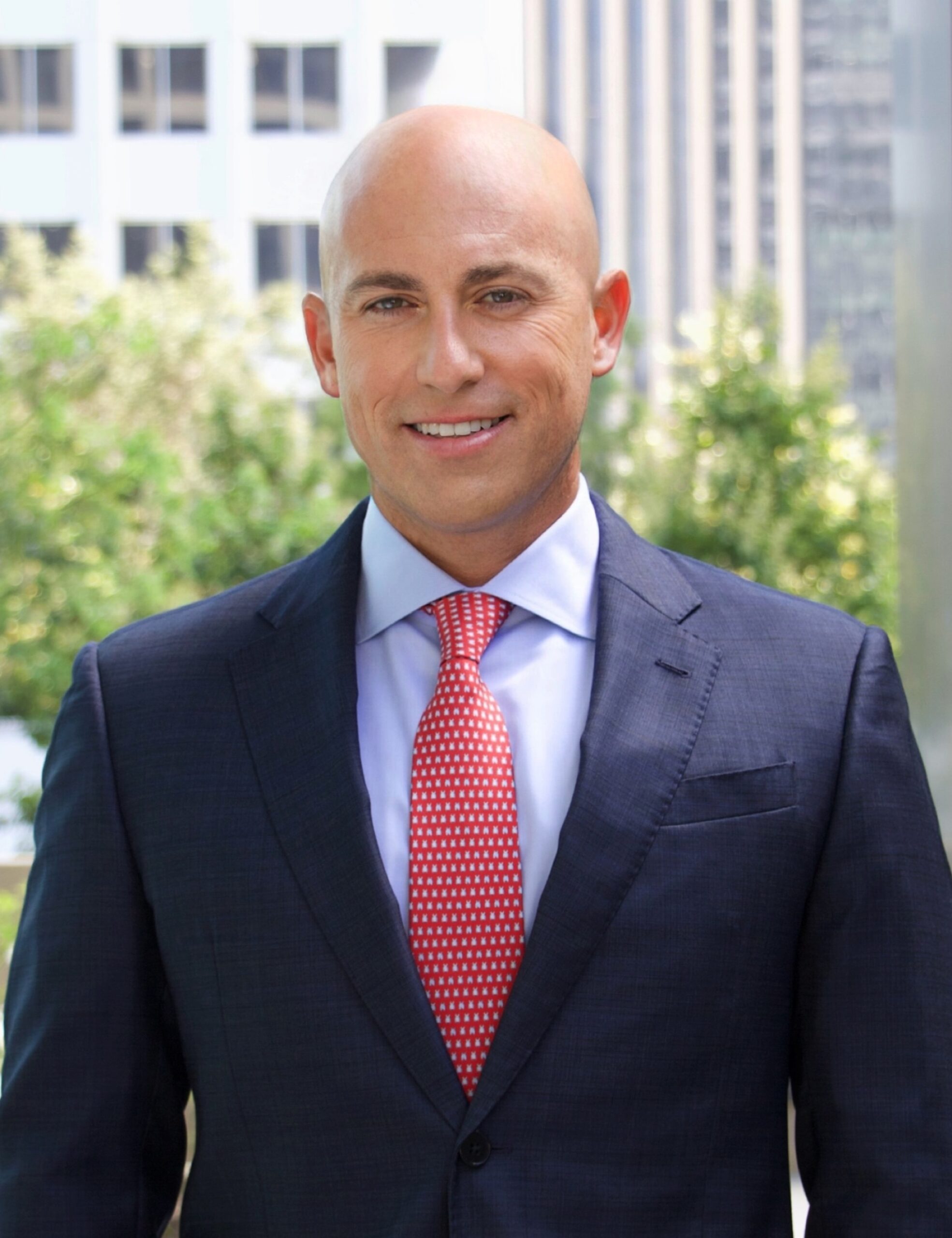
Attorney Zachary Schorr
Zachary D. Schorr is a California real estate litigation attorney and the founding attorney of Schorr Law. He represents clients in specific performance actions, partition lawsuits, quiet title disputes, and complex real estate litigation throughout Southern California. 📍 Schorr Law
Call Us: (866) 999-2990
Full Bio | Contact | View All Articles
Call Us
Phone: (866) 787-9384
Email: info@schorr-law.com
Address: 1901 Avenue of The Stars, Suite 615, Los Angeles, California 90067
Text: (833) 249-1634