

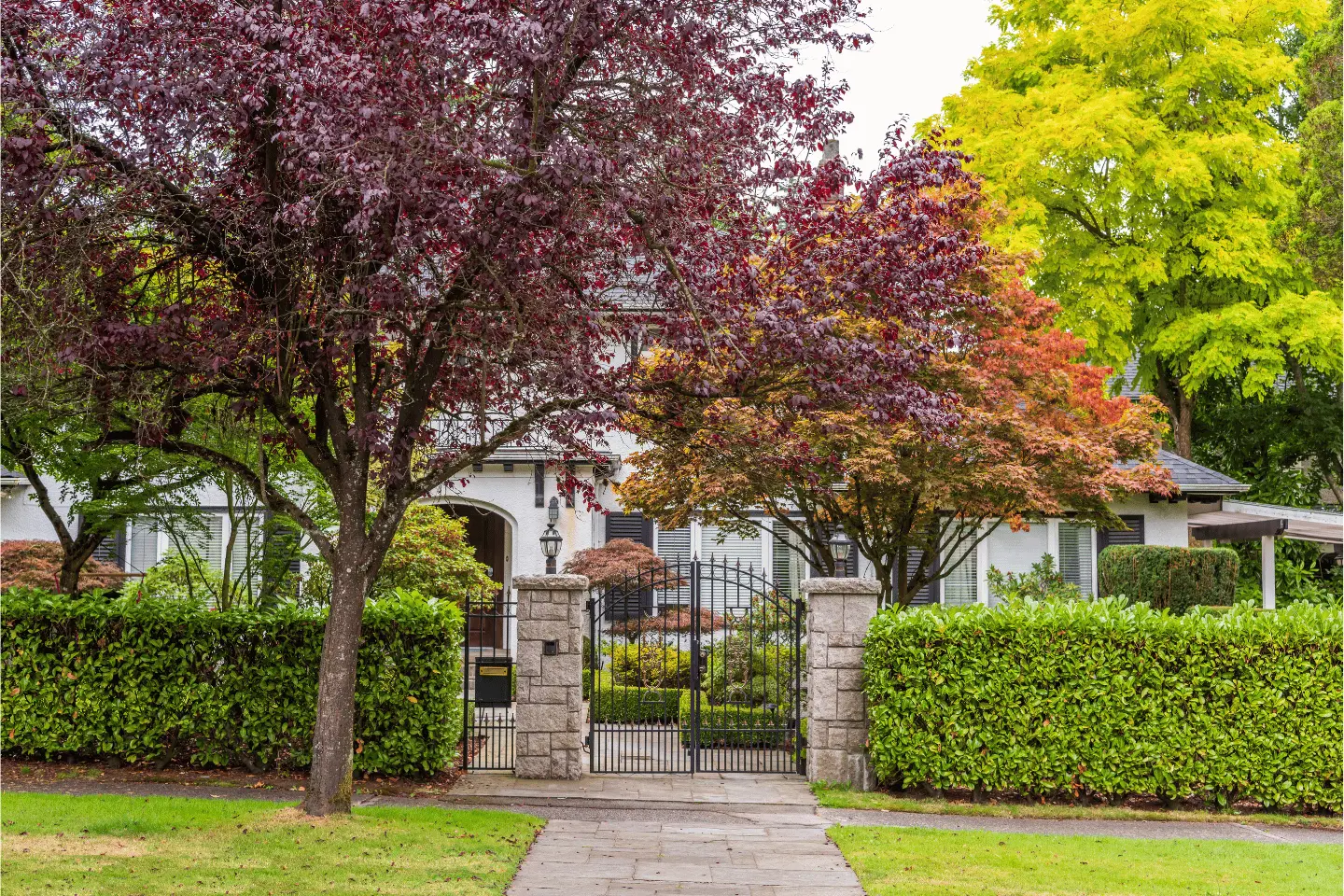
A landlocked property is a parcel of real estate that has no legal access to a public road or public right-of-way. In many cases, a landlocked property is completely surrounded by neighboring properties, making it impossible to reach without crossing someone else’s land.
A property may also be considered functionally landlocked if it lacks access to essential utilities or infrastructure necessary for its intended use. However, a lack of utility access alone does not necessarily make a property legally landlocked.
How Properties Become Landlocked
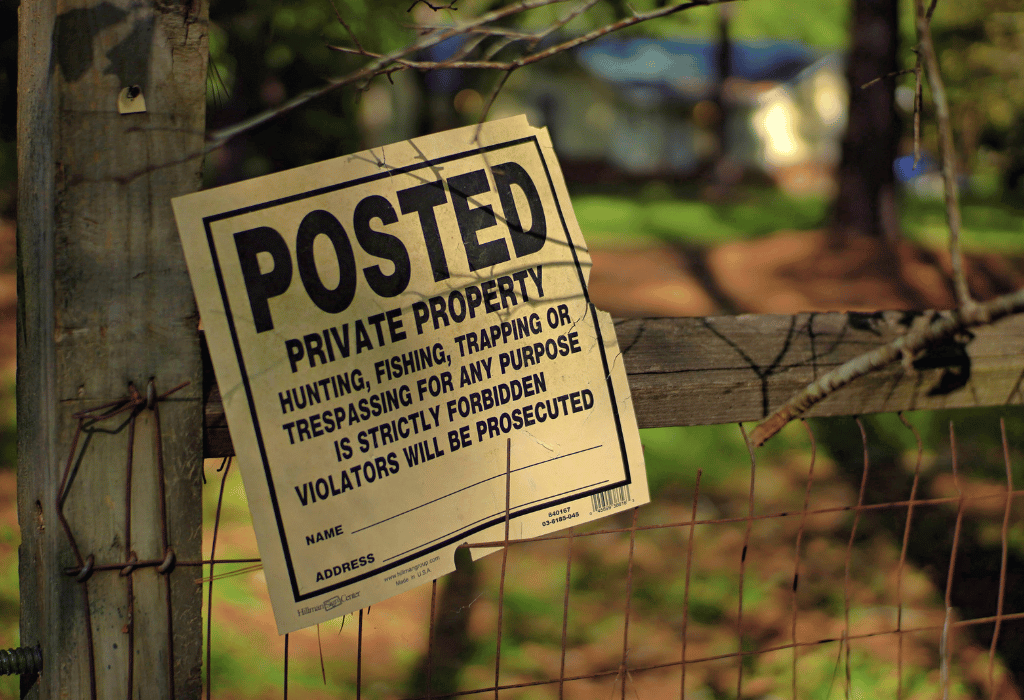
Landlocked properties often arise through subdivisions, boundary adjustments, inheritance, or historical conveyances.
For example, a large parcel may be divided into multiple lots, and one of the newly created parcels may be left without direct road access. In other situations, access rights may have been overlooked, improperly documented, or lost over time.
Even though the property remains legally owned, the lack of access can significantly affect its value and usability. This is typically where Schorr Law can help property owners evaluate their options for obtaining access through an easement by necessity.
Why Access Matters
Access is one of the most fundamental rights associated with property ownership.
Without legal access, a property owner may face difficulties:
-
Entering or leaving the property
-
Obtaining building permits
-
Connecting to utilities
-
Selling or financing the property
-
Developing the land
As a result, landlocked properties are often worth substantially less than comparable properties with legal access.
Easements and Access Rights

The most common solution for a landlocked property is an easement.
Courts may recognize an Easement by Necessity when access is legally necessary and the applicable requirements are met. In California, these requirements generally include prior common ownership and strict necessity arising from the division of the property. In other cases, access may be created through an express easement agreement between neighboring owners.
Some properties may also acquire access rights through qualifying long-standing use, resulting in a Prescriptive Easement.
The type of easement available depends on the property’s history and the surrounding facts.
Common Legal Disputes Involving Landlocked Property
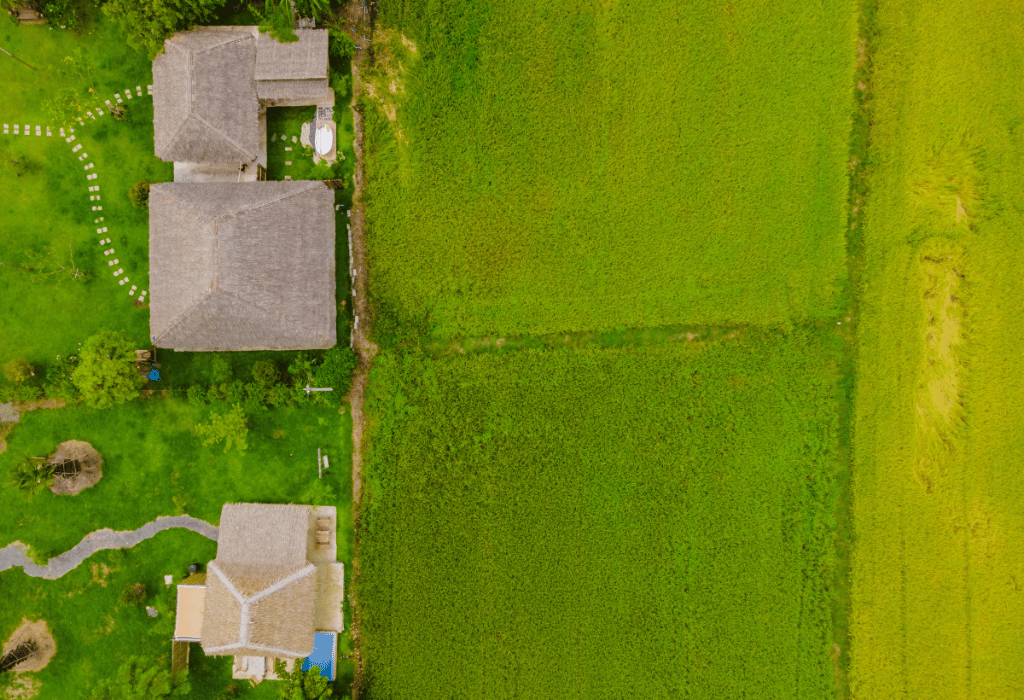
Landlocked properties frequently lead to litigation.
Disputes often involve:
-
Whether an easement exists
-
The location of an access route
-
The scope of access rights
-
Maintenance responsibilities for private roads
Because access directly impacts property value, these disputes can become highly contentious.
California Law Considerations
California law generally disfavors leaving property without access.
Courts may recognize easements by necessity when a parcel would otherwise lack legally sufficient access. However, property owners must still prove the legal requirements necessary to establish those rights, including prior common ownership, strict necessity arising at the time of the relevant conveyance, and continuing necessity.
Resolving access issues often requires reviewing deeds, title records, surveys, and the history of the property.
Property owners dealing with access restrictions may also need to understand the difference between an easement and a right-of-way, particularly when determining the permitted use of a neighboring parcel. Schorr Law provides additional guidance on right-of-way access through private property in California
Real Estate and Financing Terms
| Easement | Right of Way |
| Easement by Necessity | Dominant Tenement |
| Prescriptive Easement | Servient Tenement |
| Ingress/Egress | Property Access |
If you are involved in a real estate dispute and mediation has been requested or required, speak with a real estate litigation attorney before agreeing to settlement terms.
Need Legal Help Related to Your Real Estate Matter?
If you are facing a property lien or need to enforce a judgment, contact our experienced real estate attorneys today to schedule a consultation.


PRESS
Recent Blogs
California Equitable Easements for Driveways: Miller v. Johnston
California Equitable Easements for Driveways...

California Mechanics Lien: How Property Owners Can Fight Back
Mechanics Lien on Your Property? A California...
Can You Pave a Gravel Road Easement in California?
Can You Pave a Gravel Road Easement in...
California Real Estate Litigation Representation
California Counties Served for Real Estate Litigation Matters :


 1901 Avenue of The Stars, Suite 615
Los Angeles, California 90067


© 2026 Copyright Schorr Law. All Rights Reserved.
Information on this site and your receipt or use of it (1) does not create an attorney-client relationship, (2) is not intended as a solicitation, (3) is not intended to constitute legal advice, and (4) is not a substitute for obtaining legal advice from a qualified real estate attorney in Los Angeles.
- 1901 Avenue of The Stars, Suite 615
Los Angeles, California 90067
© 2026 Copyright Schorr Law. All Rights Reserved.
Information on this site and your receipt or use of it (1) does not create an attorney-client relationship, (2) is not intended as a solicitation, (3) is not intended to constitute legal advice, and (4) is not a substitute for obtaining legal advice from a qualified real estate attorney in Los Angeles.