Partition Trial in Pomona: Full Reimbursement Awarded After Expense Dispute This was a case we handled in Pomona involving a former couple who owned property together. Our client lived in the home with their child and covered nearly all of the expenses, including the...
Partition Lawsuit in Burbank: Mother and Son Property Dispute This was a case we handled in Burbank involving a mother and her adult son who purchased a home together. At some point, the son moved out. After that, they could not agree on what to do with the property....
How to Force a Sale: A Guide to Specific Performance in California Real Estate Real estate transactions do not always go as planned. Even after a written purchase agreement is signed and escrow is opened, one party may attempt to walk away. Sometimes the market...
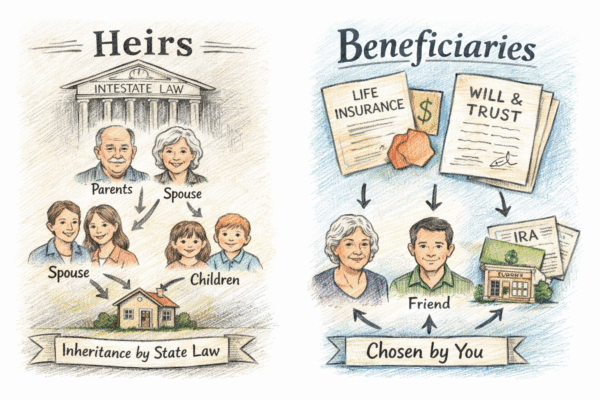
Heir vs Beneficiary: Who Has Greater Right to Your Estate? Understanding the difference between an heir and a beneficiary is a key part of estate planning and probate administration. While these terms are often used interchangeably, they have very different legal...
What is color of title in California? It often appears in cases involving boundary conflicts, adverse possession claims, and defective deeds. While it may sound like a technical or outdated term, “color of title” can play an important role in determining whether...
Paying someone else’s property taxes is a situation that commonly arises in family arrangements, co-ownership disputes, inherited properties, and cases where one person steps in to help a struggling owner avoid penalties or tax default. In California — including...