


- Can You Sell a Home as is
- What Must Sellers Disclose When Selling a House As-Is in California?
- Does Every As-Is Sale Require a Transfer Disclosure Statement?
- What Happens When a House Is Sold As-Is?
- Can You Sell a House As-Is Without an Inspection in California?
- Can Buyers Request Repairs or Cancel an As-Is Purchase?
- Can a Seller Be Held Liable for Undisclosed Defects in an As-Is Sale?
- Buying a House As-Is in California: What to Check Before Closing
- Selling Your House As-Is: Disclosure and Recordkeeping Checklist
- Key Takeaways for California As-Is Home Sales
- Get Legal Help With an As-Is Home Sale in California
- FAQs About Buying and Selling a Home As-Is in California
Updated on September 15, 2026
Can You Sell a Home as is
If you’ve spent any time browsing real estate listings, you’ve probably come across the phrase “sold as-is.” For many buyers, those two words signal a red flag, or at least a steep discount. For some sellers, they sound like a get-out-of-jail-free card: list it as-is, and you don’t have to worry about what’s wrong with the place.
Both of those assumptions are wrong, or at least dangerously incomplete. Here’s what “as-is” actually means under California law, and why it matters whether you’re on the buying or selling side of the transaction.
What Must Sellers Disclose When Selling a House As-Is in California?
This is the single biggest misconception in California real estate. Many sellers believe that listing a property “as-is” relieves them of the obligation to tell buyers about known problems. It doesn’t.
California has some of the most robust seller disclosure requirements in the country. Under Civil Code Section 1102 and the statutes that follow it, most residential sellers are required to complete a Transfer Disclosure Statement (TDS). The TDS requires sellers to disclose all known material facts about the property’s condition, things like roof leaks, foundation issues, plumbing problems, past flooding, unpermitted additions, neighborhood nuisances, and much more.
These disclosure obligations exist regardless of whether a property is sold “as-is.” The statute does not include an exception for as-is sales. A seller who knows the basement floods every winter cannot simply slap an “as-is” label on the listing and stay silent. That information must be disclosed.
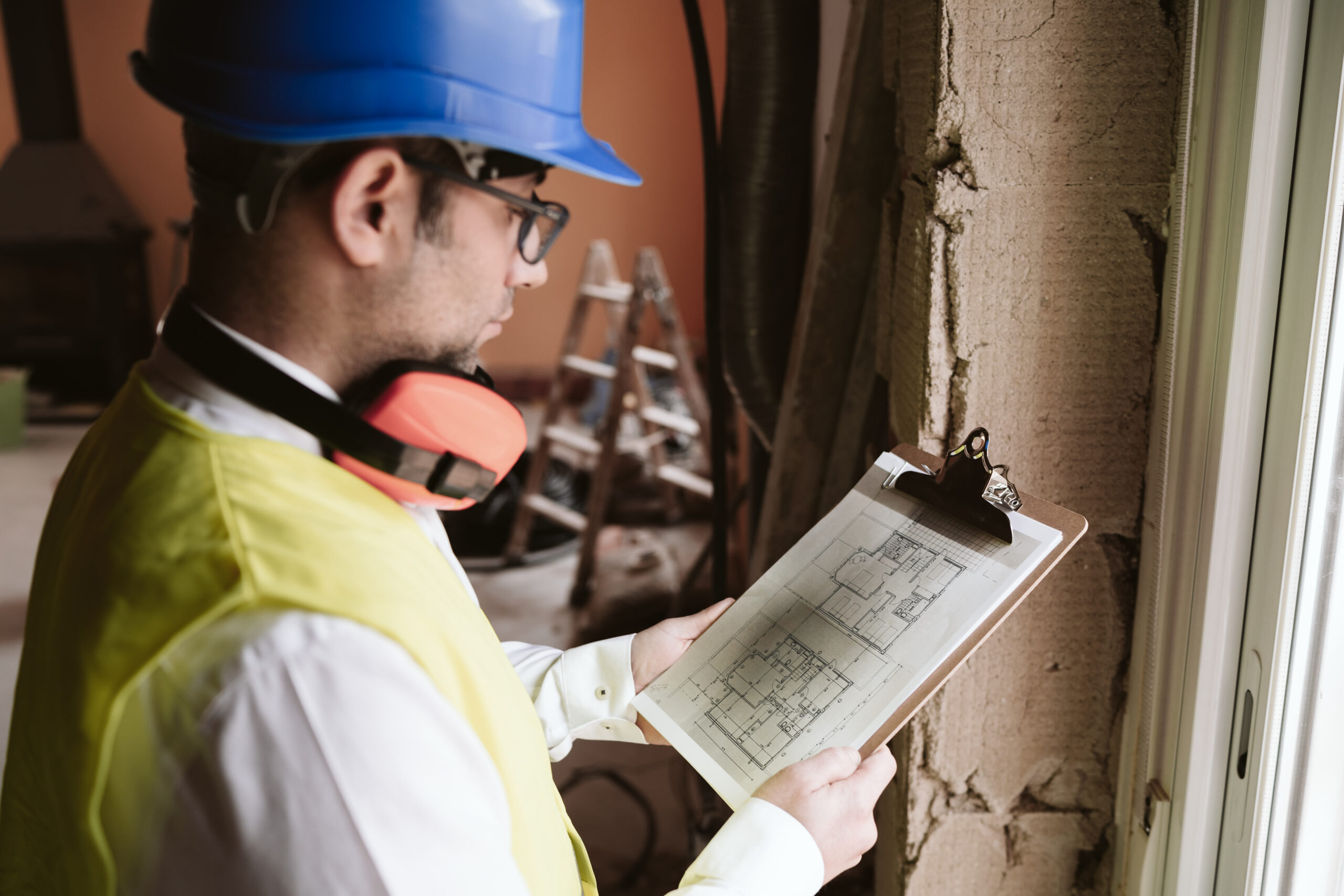
A professional home inspection can help buyers identify potential property defects before purchasing an as-is home.
Does Every As-Is Sale Require a Transfer Disclosure Statement?
An as-is designation is not itself an exemption from the Transfer Disclosure Statement requirements. However, California law exempts certain transfers, including some court-ordered transfers and transfers between co-owners. An exemption from a particular form should not be treated as permission to conceal material facts. See Civil Code §1102.2.
Depending on the property and transaction, natural hazard disclosures and other documents may also be required. For broader coverage, read what to disclose when selling your house in California
What Happens When a House Is Sold As-Is?
If it doesn’t waive disclosures, what’s the point of selling as-is?
In practice, “as-is” means the seller is telling the buyer: I’m not going to make repairs or improvements as a condition of this sale. What you see is what you get. It’s a negotiating position about who bears the cost of fixing problems — not a license to hide them.
Think of it this way: the seller still has to tell you the roof leaks. But they’re not obligated to fix the roof before closing. The buyer can factor that information into the purchase price, negotiate a credit, or walk away — but the seller has met their duty by disclosing the issue honestly.
This distinction matters enormously. Disclosure is about honesty. “As-is” is about who pays for repairs. The two are separate obligations, and confusing them can lead to serious legal trouble.
Can You Sell a House As-Is Without an Inspection in California?
A California home sale can proceed without the seller commissioning a general pre-sale home inspection. However, the purchase agreement, financing conditions, and applicable property or local requirements may call for inspections or reports.
Skipping a seller’s pre-sale inspection does not automatically prevent the buyer from inspecting during escrow. Likewise, a buyer’s decision to waive an inspection contingency is different from deciding not to inspect: the waiver may limit contractual cancellation rights even when an inspection is still permitted.
Buyers and sellers should review inspection access, deadlines, and contingency terms before signing.
Can Buyers Request Repairs or Cancel an As-Is Purchase?
Buyers may still request repairs or a credit after inspecting an as-is property. Whether the seller agrees depends on the negotiations and purchase agreement. If the parties cannot agree, the buyer’s ability to cancel depends on the agreement, applicable contingencies, deadlines, and circumstances. An as-is provision alone does not establish an unrestricted right to cancel.
Can a Seller Be Held Liable for Undisclosed Defects in an As-Is Sale?
Sellers who intentionally conceal known defects — or who are careless about their disclosure duties — face real legal consequences, even in an as-is transaction.
Fraud and intentional misrepresentation. If a seller actively hides a material defect or lies about the property’s condition, the buyer may have a claim for fraud. This can result in significant damages, including the cost of repairs the buyer didn’t anticipate and, in some cases, punitive damages.
Negligent misrepresentation. Even if a seller didn’t intend to deceive, failing to disclose known problems can support a claim for negligent misrepresentation. Courts have held that sellers have an affirmative duty to disclose material facts, and carelessness is not a defense.
Rescission of the sale. In some cases, a buyer may be entitled to rescind — essentially undo — the entire transaction. This is a drastic remedy, but courts have allowed it where the seller’s failure to disclose was serious enough that the buyer would not have gone through with the purchase had they known the truth.
Moreover, the “as is” clause, like any other exculpatory clause, does not relieve the seller or its agent from liability for intentional misrepresentation, active concealment or other types of intentional fraud. Cal. Civ. Code § 1668; Manderville v. PCG & S Group, Inc., (2007) 146 Cal. App. 4th 1486.
Buying a House As-Is in California: What to Check Before Closing
Buyer is entitled to know about the material condition and then decide for themselves whether they want to purchase the property in that condition. In any event, it is essential that a buyer conduct their own due diligence so that they can do their best to discover the present condition of the property to determine whether they want to purchase it in that condition.
- Always get an independent inspection. Do not rely on the seller’s disclosures alone, and never assume that “as-is” means everything has been accounted for. Hire a qualified home inspector — and consider specialists for the roof, foundation, plumbing, or other systems depending on the property’s age and condition.
- Review the Transfer Disclosure Statement carefully. If a Transfer Disclosure Statement is required for the transaction, review it carefully alongside the other applicable disclosures. Read every line, and ask questions about anything that seems vague or incomplete.
- Don’t assume you have no recourse. If you discover after closing that the seller knew about a serious problem and didn’t tell you, the as-is clause does not necessarily bar you from pursuing legal remedies. Consult with a real estate attorney if you believe information was withheld.
Selling Your House As-Is: Disclosure and Recordkeeping Checklist
If you’re selling a property as-is, protect yourself by being thorough and transparent:
- Disclose everything you know. When in doubt, disclose it. It is far better to over-disclose than to face a lawsuit after closing because a buyer claims you hid a material defect. The TDS is your opportunity to put everything on the record.
- Don’t confuse “as-is” with “no responsibility.” You are still legally required to be honest about the property’s condition. The as-is designation only means you aren’t agreeing to make repairs — it does not give you permission to stay silent.
- Keep records. Document your disclosures and keep copies of everything you provide to the buyer. If a dispute arises later, your records will be your best defense.
Key Takeaways for California As-Is Home Sales
Selling or buying a home “as-is” in California is perfectly legal and, in many situations, perfectly reasonable. But it is not a shortcut around the state’s disclosure laws. Sellers must still be honest about what they know, and buyers should still do their homework.
Whether you’re on the buying or selling side, understanding what “as-is” actually means — and what it doesn’t — can save you from costly surprises down the road.
This post is for informational purposes only and does not constitute legal advice. If you have questions about a specific transaction, consult a licensed California real estate attorney.
Get Legal Help With an As-Is Home Sale in California
Buying or selling a home as-is can raise questions about disclosures, property defects, and your rights under the purchase agreement. If you are facing a dispute over information withheld during a sale, Schorr Law’s Los Angeles non-disclosure attorneys can help you understand your options.
To discuss your situation, contact Schorr Law to schedule a consultation.

Residential property listed for sale in as is
FAQs About Buying and Selling a Home As-Is in California
What does “as-is” mean when selling a home in California?
An “as-is” sale generally means the seller is not agreeing to make repairs or improvements before closing. However, an as-is designation does not eliminate the seller’s obligation to disclose known material defects or other required information about the property’s condition.
Should a Seller Get a Pre-Listing Inspection?
A pre-listing inspection may help a seller understand the property’s condition, obtain repair estimates, and prepare for buyer questions. It adds an upfront expense, and the buyer may still want an independent inspection. If the report reveals a material problem, the seller should address that information through the applicable disclosure process.
Can a buyer sue after purchasing a home as-is?
Potentially. An as-is provision does not necessarily prevent a buyer from pursuing legal claims if the seller concealed a material defect or failed to make required disclosures. The specific facts and language of the transaction matter.
What is a Transfer Disclosure Statement in California?
A Transfer Disclosure Statement (TDS) is a disclosure form used in many California residential real estate transactions. It requires the seller to provide information about known conditions and characteristics of the property. An as-is designation does not automatically eliminate applicable TDS requirements.
Can a buyer cancel an as-is home purchase?
Whether a buyer can cancel a transaction depends on the purchase agreement, applicable contingencies, timing, and circumstances of the transaction. An as-is provision by itself does not necessarily eliminate every contractual right a buyer may have.
About the Author

Zachary D. Schorr is a California real estate litigation attorney and the founding attorney of Schorr Law. He represents clients in specific performance actions, partition lawsuits, quiet title disputes, and complex real estate litigation throughout Southern California.
📍 Schorr Law
Call Us: (866) 999-2990
📧 zschorr@schorr-law.com
Full Bio | Contact | Instagram | View All Articles
Call Us
Phone: (866) 787-9384
Email: info@schorr-law.com
Address: 1901 Avenue of The Stars, Suite 615, Los Angeles, California 90067
Text: (833) 249-1634