

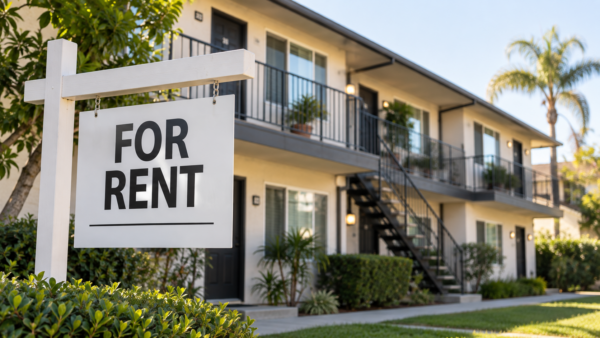
- Quick Answer: Can You Partition a Tenant-Occupied Property in California?
- Can Co-Owners File a Partition Action With Existing Tenants?
- Do Tenants Vacate or Stay During a Pending Partition?
- Does Filing a Partition Action Terminate a Rental Agreement?
- How Does Ownership Transfer Affect Fixed-Term and Month-to-Month Leases?
- Partition by Appraisal: Buyout Options Under CCP § 873.910–§ 873.920
- How Are Collected Rent and Operating Costs Allocated Between Co-Owners?
- Who Oversees Operations and Maintenance Pending a Sale?
- Should Co-Owners Evict Tenants Before Initiating a Partition Lawsuit?
- Get Professional Guidance on Partitioning Rental Property in California
- Key Questions Answered: California Tenant-Occupied Partition Actions
Updated on September 30, 2026
Quick Answer: Can You Partition a Tenant-Occupied Property in California?
Yes. California law allows co-owners to file a partition action regardless of tenant occupancy. The lawsuit does not automatically cancel existing leases or evict tenants. Rental income collected during litigation is accounted for between co-owners, and existing lease agreements remain binding on buyers after a court-ordered sale unless legal grounds for termination exist.
Tenant-Occupied Partition Property
Owning rental property with another person can be a profitable investment until the co-owners no longer agree. Disputes may arise over whether to sell the property, how rental income should be divided, who should manage the property, or how existing tenants should be handled while the ownership dispute is unresolved.
In California, the presence of tenants does not by itself prevent a co-owner from seeking a partition action under California partition law pursuant to California Code of Civil Procedure (CCP) § 872.010 et seq. But when the property is already occupied, the dispute involves more than simply whether the co-owned real estate should be sold.
Existing leases, tenant occupancy, rental income, property-management responsibilities, and the effect of a court-ordered sale can all become relevant as the partition case proceeds.
The practical question is therefore not only whether a rental property with tenants can be partitioned, but also what happens to the tenants, the lease, the rent, and management of the property before and after a partition sale.
This article focuses specifically on those issues and explains what California co-owners should consider when a partition action involves a tenant-occupied residential or commercial rental property.
Can Co-Owners File a Partition Action With Existing Tenants?
Yes. California law generally allows a co-owner to resolve a partition action co-ownership dispute whether the property is owner-occupied, vacant, or leased to residential or commercial tenants.
The presence of tenants does not, by itself, prevent partition. The court’s primary objective is to resolve the ownership dispute between the co-owners, while any existing tenant rights and lease obligations must still be considered as the case proceeds.
A tenant-occupied property may also be sold with the tenants still in place. Depending on the property, the lease terms, and the type of tenancy, existing occupancy may increase or decrease the property’s market value.
In many disputes involving residential or commercial rental property, the practical result is a partition by sale rather than a physical division of the property. For a tenant-occupied property, the important question then becomes how the sale affects the existing tenancy, lease, rental income, and property management responsibilities.
Do Tenants Vacate or Stay During a Pending Partition?
One of the most common concerns is whether tenants must move out once a partition action is filed.
Filing a partition lawsuit does not automatically terminate an existing lease or require tenants to vacate the property. In many cases, tenants continue occupying the rental property while the litigation is pending, and the property continues to operate as a rental during the dispute.
That means the owners may still need to address ongoing issues such as rent collection, repairs, maintenance, communication with tenants, and compliance with existing lease obligations while the partition case proceeds.
In Los Angeles, for example, the sale of the property is not, by itself, good cause for an eviction.
Whether a tenant remains after the property is eventually sold can depend on the terms of the lease, the type of tenancy, and applicable California landlord-tenant law. The purchaser of the property generally takes ownership subject to any legal obligations that survive the sale.
Does Filing a Partition Action Terminate a Rental Agreement?
Not usually. Filing a partition action does not automatically cancel a valid lease simply because one of the co-owners wants the property sold.
The lease remains an important part of the property’s legal and financial structure while the partition case is pending. Whether it continues to affect the property can depend on who entered into the lease, whether that person had authority to do so, the lease terms, and the circumstances surrounding the tenancy.
Issues may arise, for example, if:
- One co-owner signed the lease without proper authority.
- The lease was created to interfere with or complicate a partition sale.
- The tenant is a family member or related party occupying the property on unusual terms.
- The rent is substantially below market or the lease otherwise affects the property’s value.
- The lease contains terms that may influence how the property can be marketed or sold.
These issues do not necessarily make the lease invalid, but they can become part of the partition dispute and may require closer review during the litigation.
Where the disagreement centers on whether one co-owner had authority to lease the property in the first place, Schorr Law’s discussion of a co-owner’s right to lease or sell jointly owned property provides additional context.
How Does Ownership Transfer Affect Fixed-Term and Month-to-Month Leases?
A court-ordered partition sale transfers ownership of the property, but it does not automatically eliminate the rights of existing tenants.
If the rental property is sold while occupied, the buyer may become the new landlord and may assume obligations associated with the existing tenancy, depending on the lease terms, the type of tenancy, and applicable California landlord-tenant law.
For example:
- A fixed-term lease may continue after the sale unless there is a separate legal basis for termination.
- A month-to-month tenancy may give the new owner different options, subject to applicable notice requirements and tenant-protection laws.
- A commercial lease may raise different issues from a residential tenancy depending on its terms and the property involved.
The key distinction is that a partition sale changes ownership of the real estate, while tenant rights depend heavily on whether the property is residential or commercial. Residential tenancies may be protected by local rent stabilization ordinances or the California Tenant Protection Act of 2019 (AB 1482), which limit just-cause evictions and rent increases despite an ownership transfer. Commercial tenancies, in contrast, are governed primarily by the specific terms of the written lease agreement.
Because every tenancy is different, the effect of a partition sale should be evaluated based on the specific lease and facts of the case.
Partition by Appraisal: Buyout Options Under CCP § 873.910–§ 873.920
When co-owners wish to resolve the dispute without forcing a public or private sale of a tenant-occupied property, California law provides for partition by appraisal under CCP § 873.910 et seq. If all parties consent, the court can order an independent valuation of the property so one co-owner can buy out the interest of the other based on its fair market value, keeping existing leases and tenancies completely intact.
For readers who need the broader mechanics of the sale itself, Schorr Law also explains the property sale process after a partition-by-sale judgment
How Are Collected Rent and Operating Costs Allocated Between Co-Owners?
Rental income remains an important issue while a partition action is pending because the property may continue generating cash flow even though the co-owners are in dispute.
If one co-owner collects rent while managing the property, that income can become part of the accounting between the owners. The court may consider both the rental income received and the expenses paid to operate and preserve the property before sale proceeds are ultimately distributed.
Relevant items may include:
- Rental income collected from tenants.
- Mortgage payments.
- Property taxes.
- Insurance premiums.
- Maintenance and repair expenses.
- HOA dues.
- Property management costs.
The key issue is not simply who physically collected the rent, but how the income and property-related expenses should be accounted for between the co-owners.
For a more detailed discussion of credits, reimbursements, and financial adjustments between owners, see Schorr Law’s guide to partition accounting.
Who Oversees Operations and Maintenance Pending a Sale?
Often, one co-owner may continue managing the property while the partition action is pending. Even though the owners are in litigation, the rental property still needs to operate.
That can include:
- Collecting rent from tenants.
- Coordinating repairs and maintenance.
- Communicating with tenants.
- Paying property-related expenses.
- Responding to issues that could affect the condition or value of the property.
The management arrangement can become more difficult when the co-owners disagree about how the property should be operated. For example, disputes may arise over who should collect rent, authorize repairs, communicate with tenants, or approve expenses.
If the co-owners cannot cooperate, the court may appoint a partition referee or a receiver pursuant to CCP § 873.010 to oversee property operations, collect rents, handle ongoing tenant relations, and manage the sale process while the litigation is pending.
The important point is that a pending partition action does not eliminate the need to manage the rental property. Tenant occupancy, rental income, repairs, and preservation of the property can all continue to matter until the ownership dispute is resolved.
Should Co-Owners Evict Tenants Before Initiating a Partition Lawsuit?
Not necessarily.
In many situations, there is no need to remove tenants before filing a partition action. A tenant-occupied rental property may continue generating income while the ownership dispute is pending, which can benefit the co-owners if the property is being properly managed.
The presence of tenants can also affect how the property is marketed, valued, and ultimately sold. Depending on the lease terms and type of tenancy, selling the property with tenants in place may be more practical than attempting to remove them before the partition case begins.
Whether any action should be taken regarding existing tenants depends on several factors, including:
- The terms of the lease.
- Whether the tenancy is fixed-term or month-to-month.
- The condition of the property.
- Whether the tenants are paying market rent.
- Whether continued occupancy affects the property’s value or sale strategy.
- Applicable landlord-tenant requirements.
The key distinction is that filing a partition action and terminating a tenancy are separate legal issues. A co-owner does not necessarily need to resolve the tenant relationship before seeking partition.
If eviction later becomes part of the strategy, that issue should be evaluated separately under applicable landlord-tenant law. Schorr Law’s guide on evicting a tenant from property in California provides additional context on that process.
Get Professional Guidance on Partitioning Rental Property in California
Navigating a partition action involving tenant-occupied rental property requires careful balancing of real estate co-ownership rights, lease obligations, and landlord-tenant law. Whether you are facing disagreements over selling, managing, or accounting for rental income, experienced legal counsel can help protect your investment.
If you need legal assistance with a co-ownership dispute or real estate litigation, contact a Los Angeles partition attorney at Schorr Law to discuss your rights and explore strategies tailored to your situation.
Key Questions Answered: California Tenant-Occupied Partition Actions
Is a Partition Action Allowed When a California Rental Property Has Active Tenants?
Yes. Under California Code of Civil Procedure § 872.010 et seq., a co-owner may generally seek partition even when the property is occupied by residential or commercial tenants. The presence of tenants does not prevent the lawsuit.
The presence of tenants does not, by itself, prevent a partition action. The more important issues are how the existing tenancy, lease terms, rental income, and property management are handled while the case is pending.
Are Tenants Required to Vacate Property While Partition Litigation Is Pending?
No, not automatically. Filing a partition lawsuit does not itself terminate a valid lease or require tenants to vacate the property during litigation.
In many cases, tenants may continue occupying the property while the co-owners litigate their ownership dispute.
What Happens to Existing Lease Obligations After a Partition Sale Closes?
Existing lease obligations typically survive the sale. Buyers take title subject to current leases, local rent stabilization laws, and state protections like AB 1482 unless valid legal grounds for termination exist.
A partition sale changes ownership of the real estate, but it does not automatically erase every obligation associated with an existing tenancy. Depending on the circumstances, the buyer may become the new landlord and take ownership subject to obligations that survive the sale.
How Is Rental Income Divided and Accounted for During Partition Litigation?
Rental income collected during litigation is subject to court accounting. Collected rent, operating expenses, taxes, and maintenance costs are calculated and offset when distributing final sale proceeds among co-owners.
The court may consider rental income received, property expenses paid, and each owner’s financial contributions when determining how amounts should ultimately be allocated. For more detail, Schorr Law explains these issues in its guide to partition accounting.
Can a Co-Owned Rental Property Be Sold to a Buyer With Tenants Remaining in Place?
Yes, properties are frequently sold tenant-occupied. The buyer assumes the landlord role and existing lease agreements remain binding.
Whether selling with tenants in place is practical can depend on the lease, the type of tenancy, rental terms, the property itself, and how existing occupancy affects marketability and value.
Does a Court-Ordered Partition Sale Automatically Terminate Tenancies or Serve as an Eviction?
No. Partition sales and evictions are separate legal proceedings. Ownership transfer alone does not automatically evict tenants or terminate existing tenancies.
Whether a tenant must eventually leave depends on the tenancy, applicable landlord-tenant law, and any legal basis for terminating that tenancy—not simply the fact that the property was sold through partition. For tailored guidance, consulting a partition attorney in Los Angeles can clarify specific rights and strategies..
About the Author

Zachary D. Schorr is a California real estate litigation attorney and the founding attorney of Schorr Law. He represents clients in specific performance actions, partition lawsuits, quiet title disputes, and complex real estate litigation throughout Southern California.
📍 Schorr Law
Call Us: (866) 999-2990
📧 zschorr@schorr-law.com
Full Bio | Contact | Instagram | View All Articles
Call Us
Phone: (866) 787-9384
Email: info@schorr-law.com
Address: 1901 Avenue of The Stars, Suite 615, Los Angeles, California 90067
Text: (833) 249-1634